City
Guilin
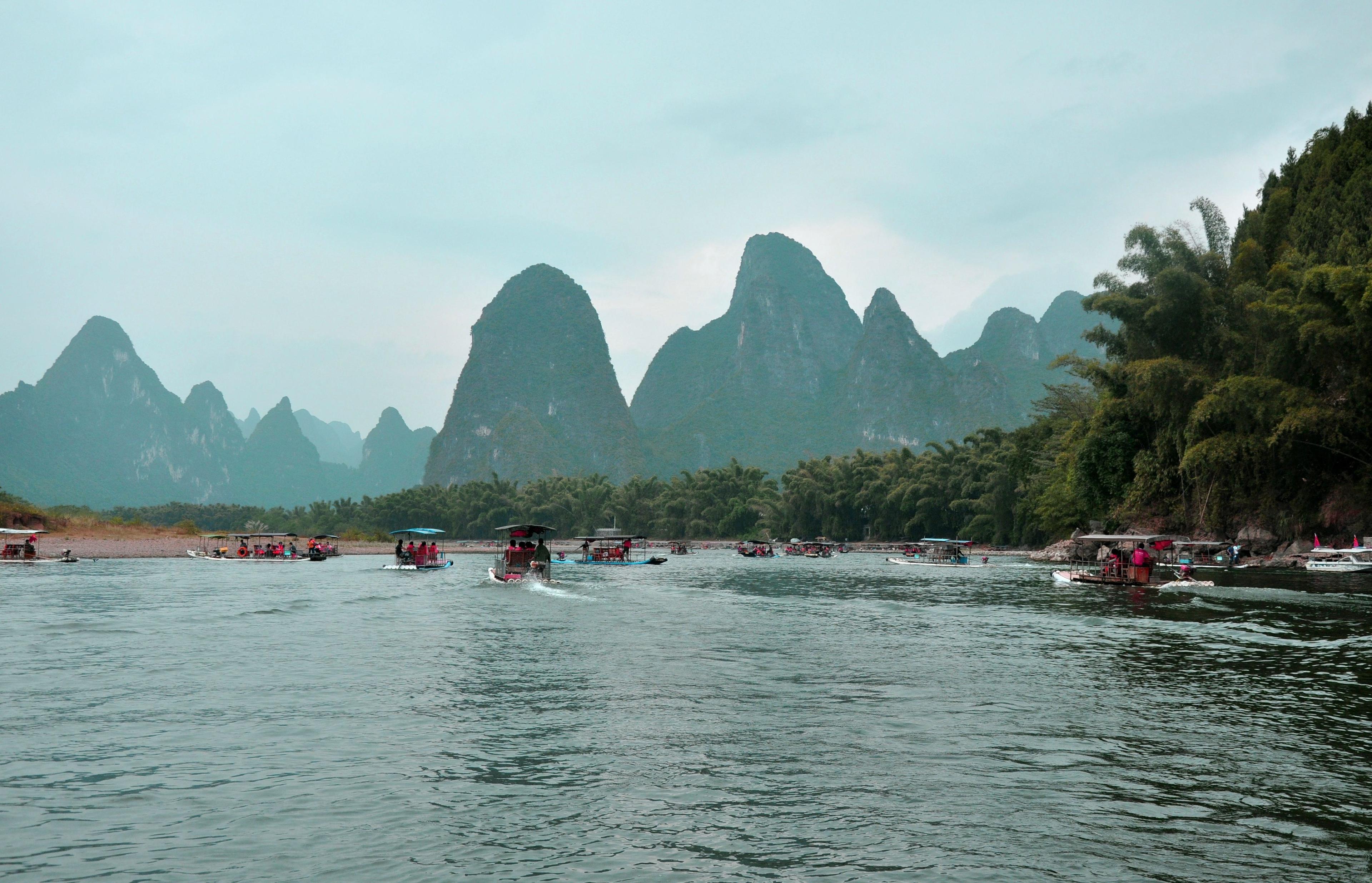
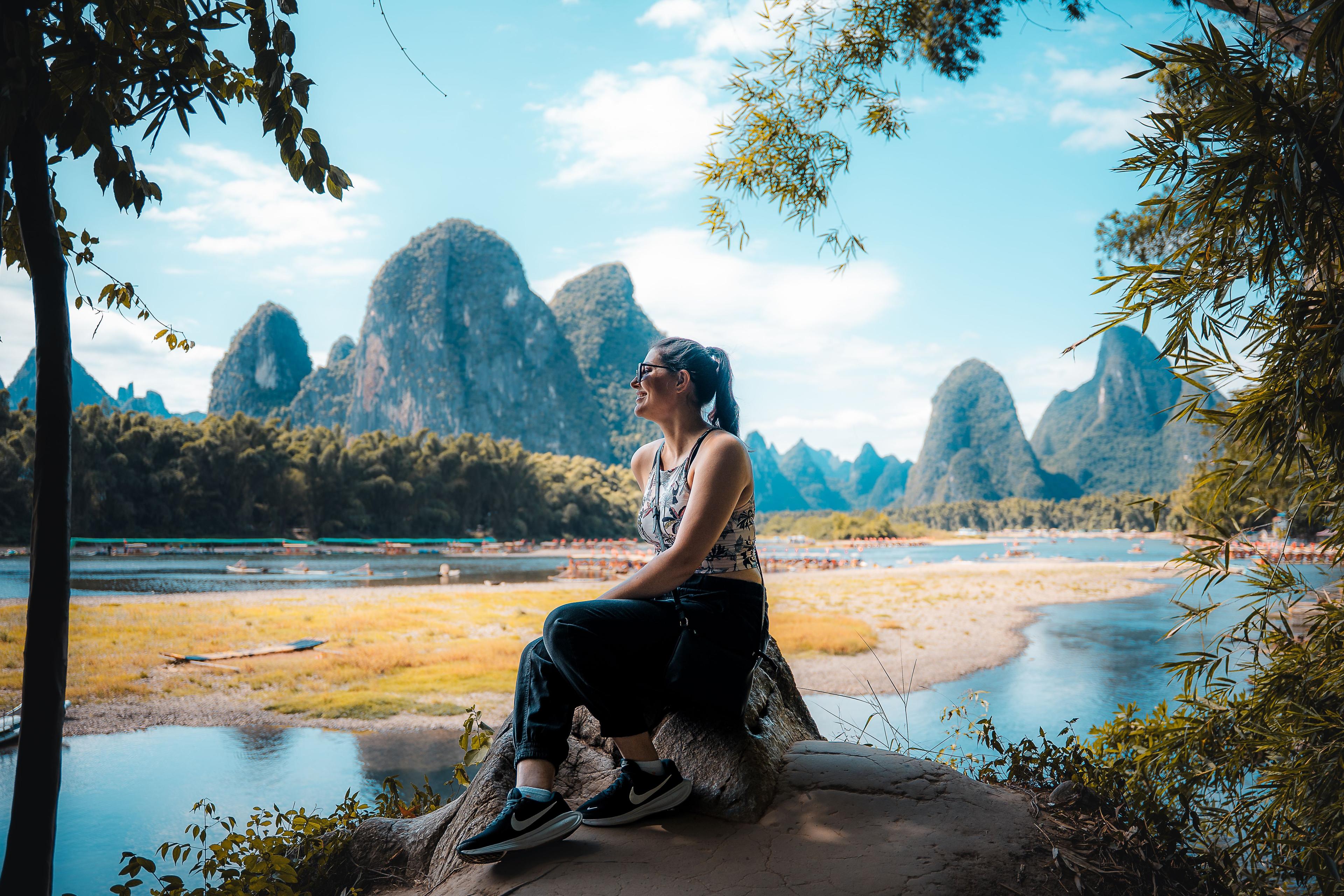
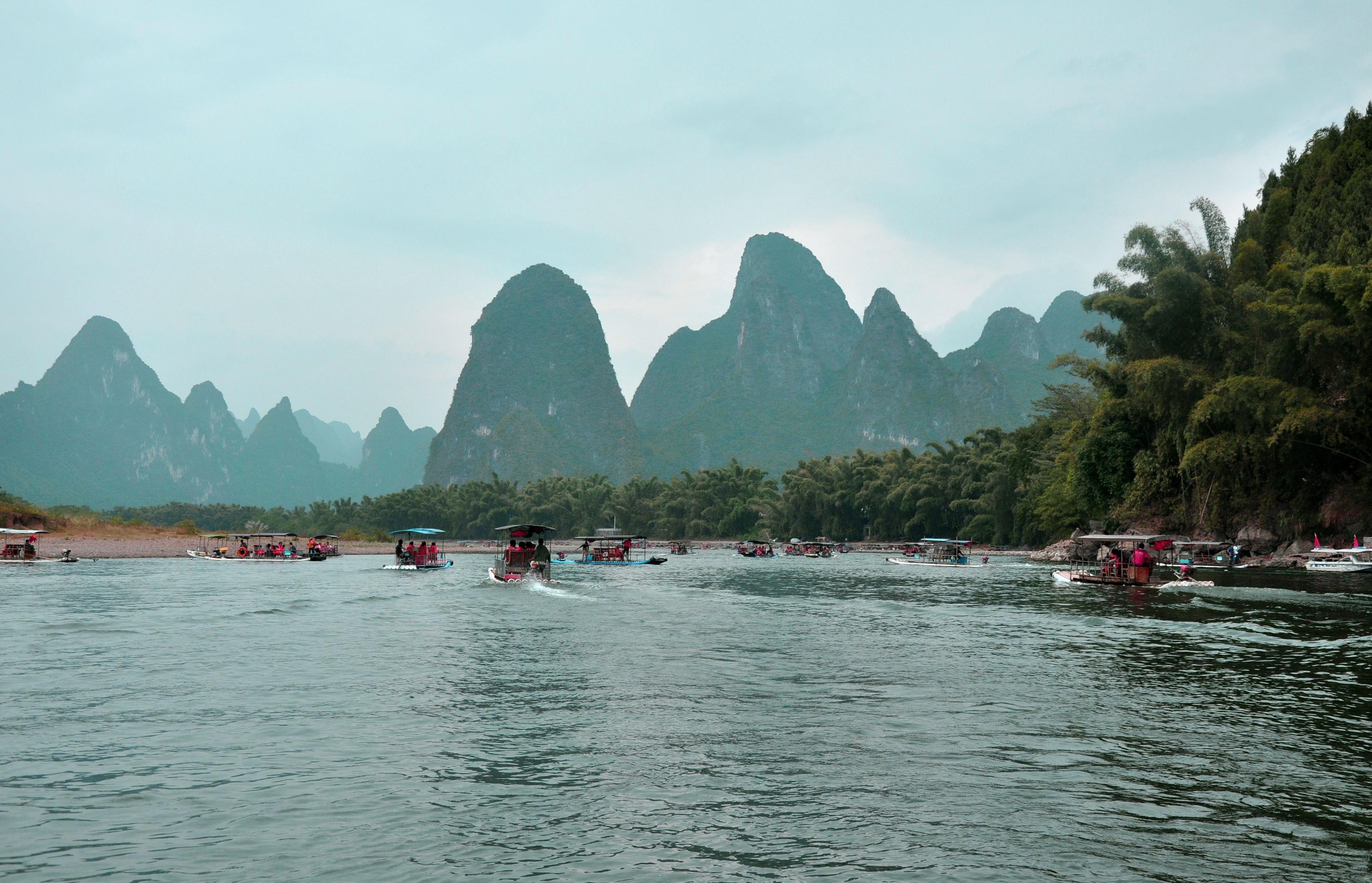
Located in the northeastern part of the Guangxi Zhuang Autonomous Region, it is a National Historical and Cultural City and the core area of the Southern Karst of China, a World Natural Heritage Site. Since ancient times, it has been renowned for its “Guilin’s landscapes are the finest under heaven.” The area features a typical karst peak forest landscape, combining the unique beauty of verdant mountains, crystal-clear waters, marvelous caves, and exquisite rock formations. The Li River winds its way through the cluster of peaks, and the karst cave formations are breathtakingly beautiful. Guilin has a history of more than 2,200 years since its founding. The Ling Canal, constructed during the Qin Dynasty to connect the north and south, remains a prominent feature, and the city is home to numerous historical sites. Ethnic minorities such as the Zhuang, Yao, Dong, and Miao live here, creating a harmonious blend of natural scenery and cultural traditions.
Recommended Length of Stay for a Trip to Guilin
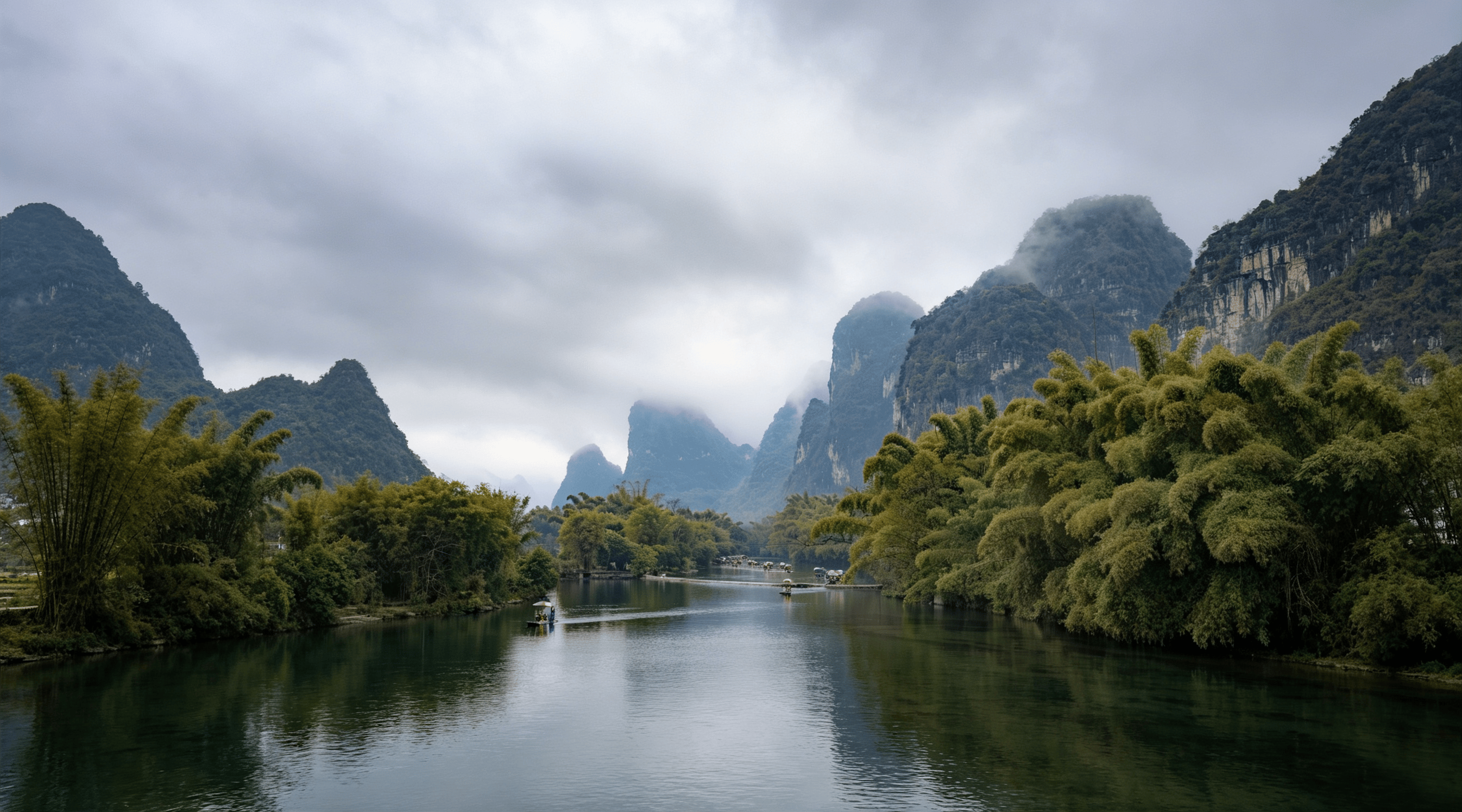
- 3 Days (Short Trip): Guilin City + Yangshuo—explore the Li River and Yulong River. Ideal for travelers with limited vacation time who want to see the highlights of the region’s natural scenery.
- 4 Days (Classic Recommendation): 1 day in the city + 2 days in Yangshuo + 1 day at the Longji Rice Terraces—cover all of Guilin’s key attractions in one trip. Most travelers choose Ctrip for this itinerary.
- 5–6 days (leisurely, in-depth tour): A chance to fully experience sunrises and sunsets over terraced fields and off-the-beaten-path villages; ideal for families and photography enthusiasts, with a relaxed pace and no rushing.
The Best Time to Visit Guilin
Guilin is a great destination to visit year-round, though its scenic landscapes vary with the seasons. In spring, you can encounter the karst peak forests shrouded in misty rain; in summer, the landscape is lush and green, perfect for all kinds of water-based activities; in fall, you can admire the golden terraced fields and the city filled with the fragrance of osmanthus; and in winter, you can enjoy the quiet, off-season atmosphere with fewer crowds.
In terms of weather conditions, the best time to visit Guilin—and the period with the highest number of visitors—is from April to October. During this time, the weather is pleasant, rainfall is abundant, and there is often a light morning mist, creating a picturesque landscape of mountains and water.
✨Best Months to Travel
- April–May (Spring)
The Li River shrouded in mist and rain, with clouds and fog swirling among the mountains, resembles an ink-wash painting; when the Longji Rice Terraces are irrigated, you can admire their reflections in the water. Expect frequent showers, so be sure to bring rain gear; during the flood season from May to June, water-based activities may be temporarily suspended. - September–October (Fall, Best Overall)
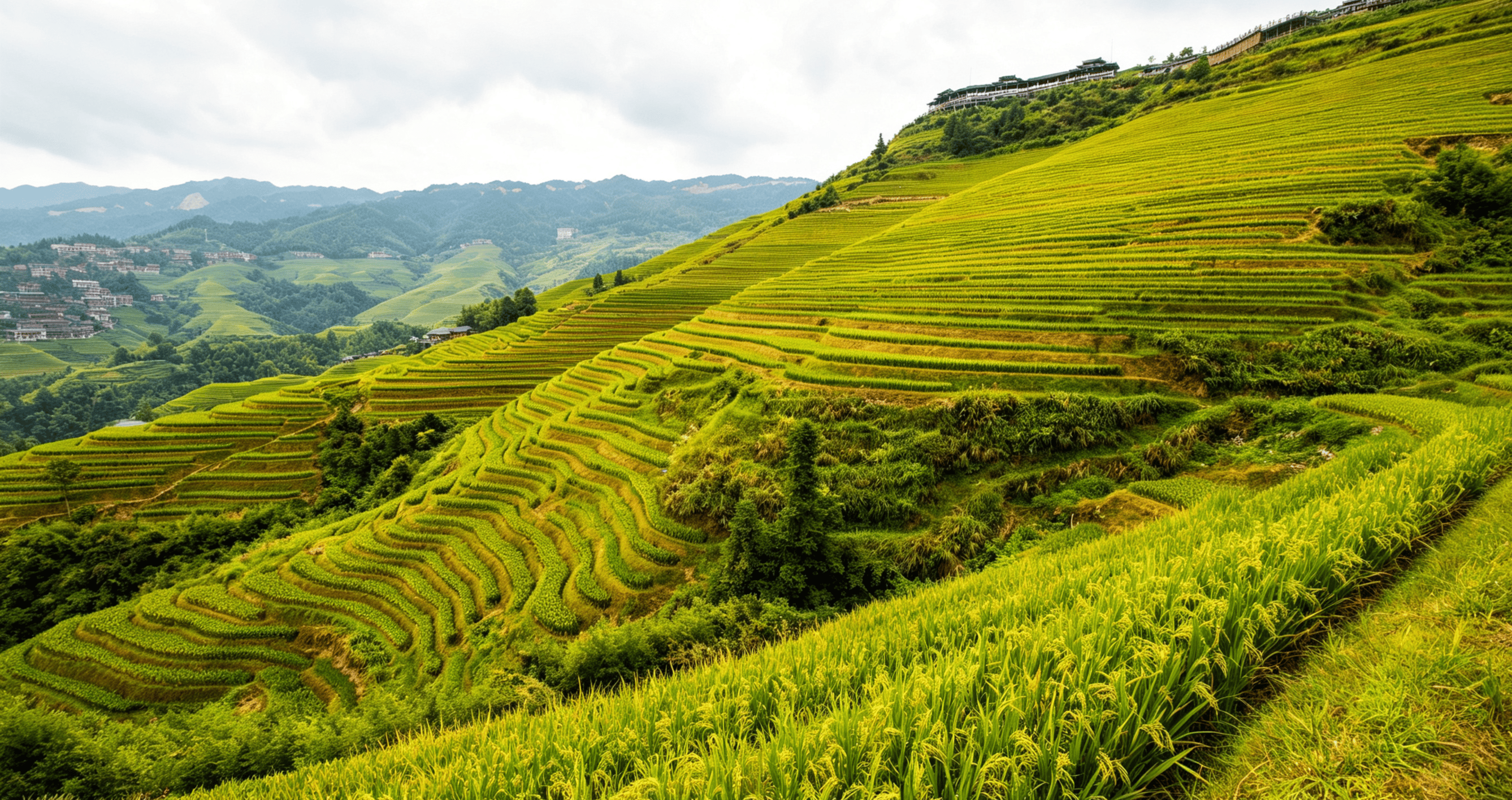
The weather is pleasant, rainfall is light, and the skies are clear; the rice fields of Longji are golden, and the scent of osmanthus fills the air; the waters of the Li River are crystal-clear, and the tour boats and bamboo rafts are very stable, making this the top choice for the vast majority of tourists.
✨Seasonal Guidelines
- Summer (June–August): The weather is hot, muggy, and humid, with frequent rainfall; the vegetation is lush, but afternoon thunderstorms are common, making it feel very hot. It’s ideal for water-based activities, but it’s best to avoid outdoor excursions at midday.
- November–March: Winter (Off-Season): With cooler-than-usual and humid weather, the Li River has entered its low-water season, and some cruise itineraries have been shortened; with fewer tourists, hotel and airfare prices are lower, making this an ideal time for off-peak travel, though the terraced fields are not particularly scenic at this time.
⚠️Important Reminder
- The Two Best Times to Visit the Longji Rice Terraces:May–June: Water-filled, mirror-like terraced fields; late September–October: Golden terraced fields in the autumn.
- Avoid China’s major public holidays (May Day, National Day): Tourist numbers surge, and room rates rise.
- When traveling during the rainy season, stay updated on any notices regarding the suspension of sightseeing boat and bamboo raft services.
Sightseeing Tips
- The fog is thickest in the early morning, so taking a boat ride then makes it easier to encounter ink-wash landscape scenery; stop by the viewing platform in Xingping—the backdrop for the 20-yuan banknote—to take photos.
- The best times to view the Longji Rice Terraces are at sunrise and sunset. If you’re not up for the hike, you can take the cable car to save your energy.
- When visiting caves and scenic landscapes, try to avoid the harsh midday sunlight; the light at dawn and dusk is better for photography.