Harbin
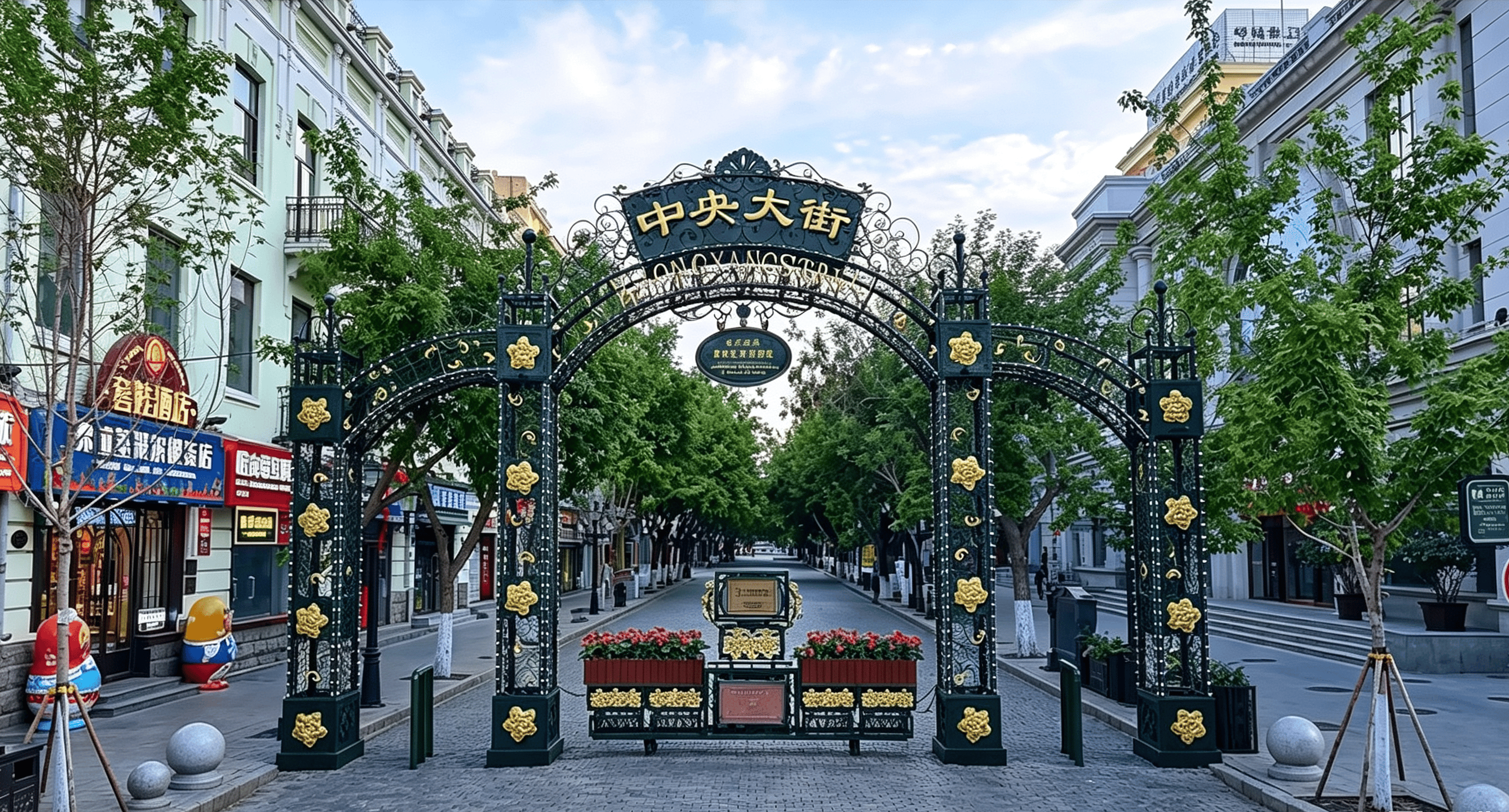
Central Street
- Hours
- Open 24 hours
- Ticket
- Free admission
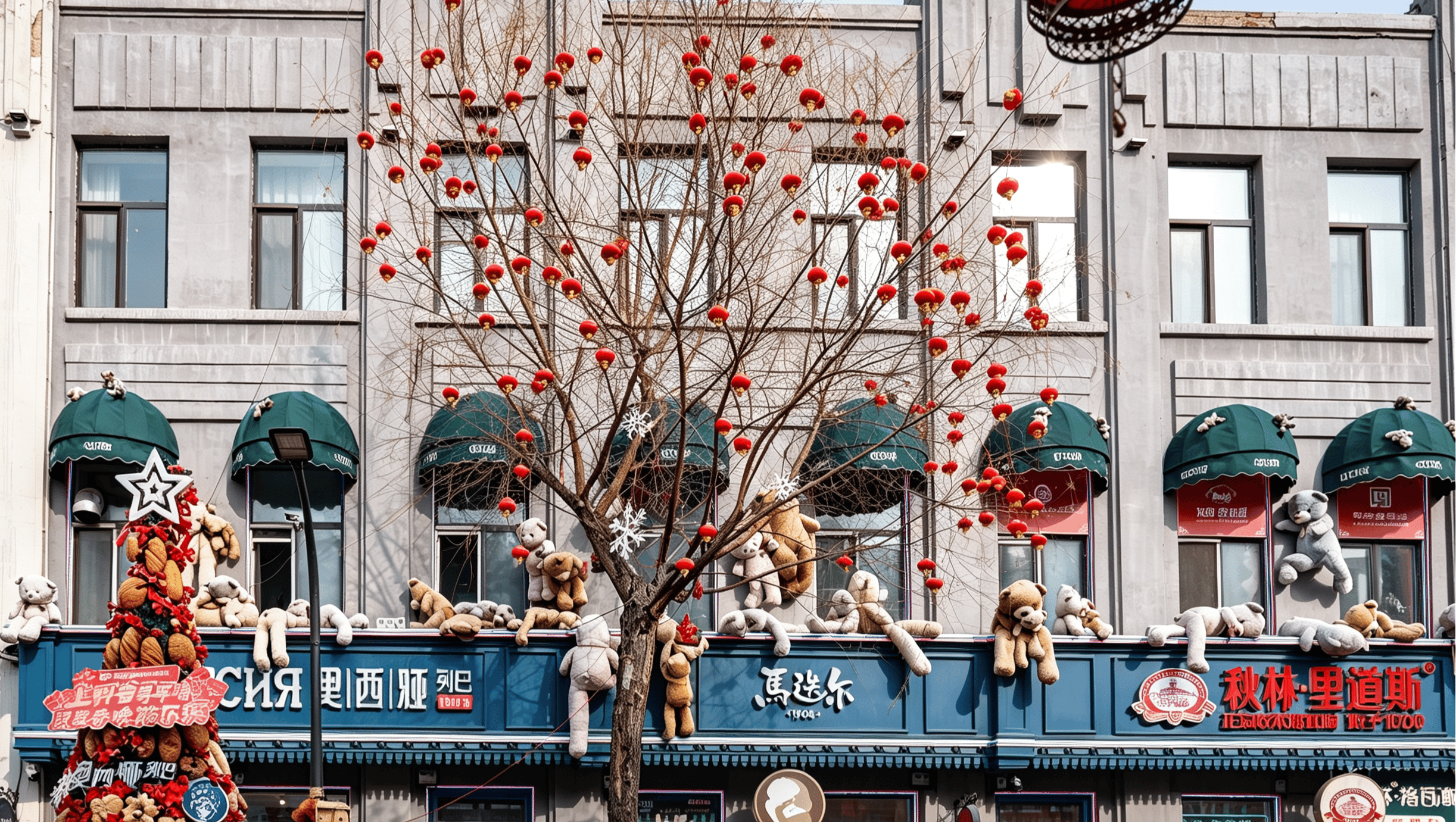
Harbin Central Street was first built in 1898 and was originally named China Street before being renamed in 1928. Stretching 1,450 meters, it is paved with precious granite “bread stones” and lined with European-style buildings representing diverse architectural movements, including Baroque and Art Nouveau. It is known as an “open-air museum of world architecture.”
It is China’s first commercial pedestrian street and a national 4A-rated scenic area. Here, a century of European charm blends with the bustle of everyday life, leading northward to the Flood Control Memorial Tower on the Songhua River. It is one of Harbin’s signature cultural tourism landmarks.
Central Street’s Open-Air Museum of Art
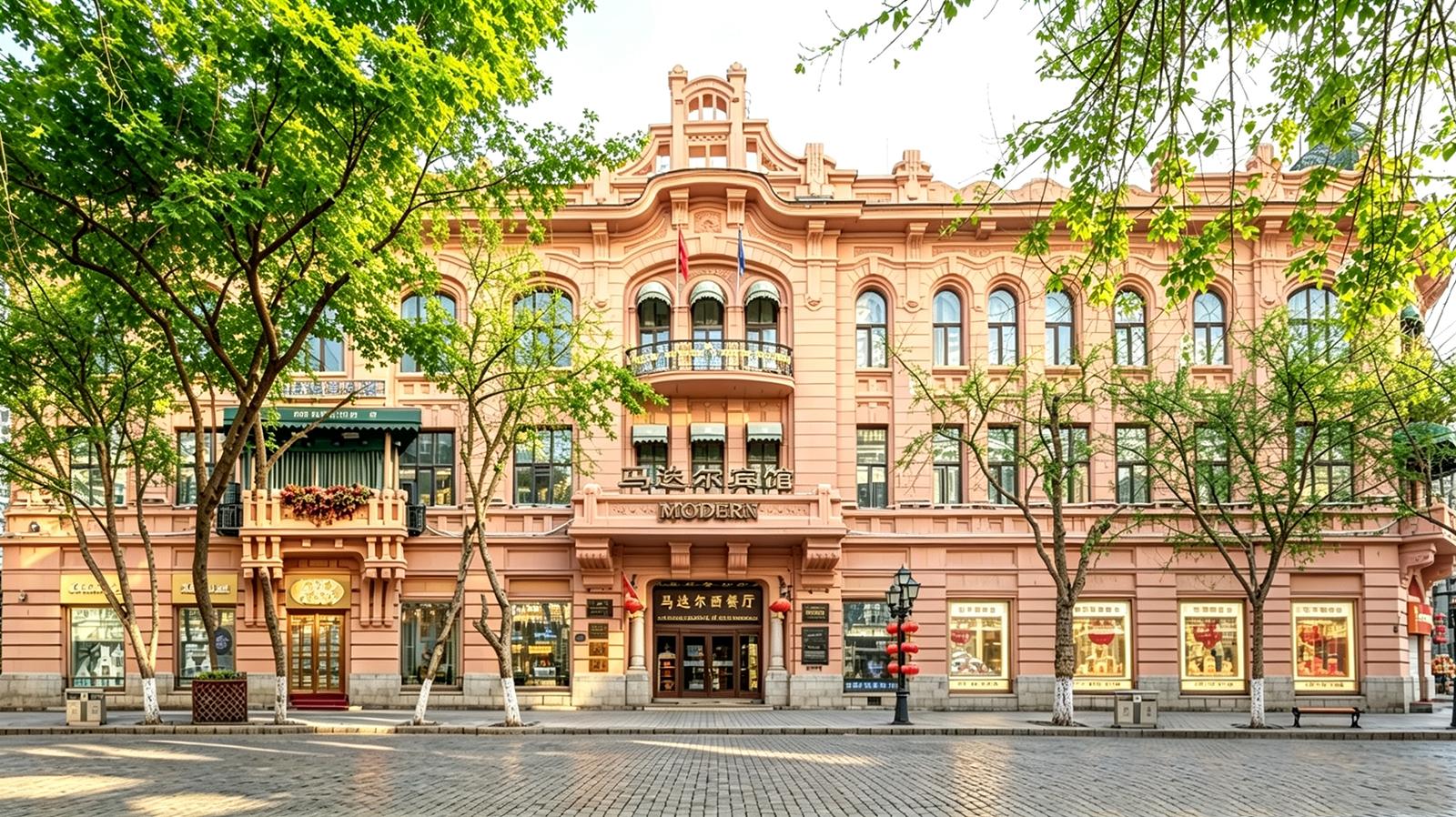
Central Street is the country’s first open architectural art museum. European-style buildings line the street, bringing together diverse architectural schools, including the Renaissance, Baroque, and Art Nouveau. Stroll along the bread-stone boulevard, admire the artistry of century-old architecture, and immerse yourself in European architectural aesthetics spanning the centuries.
Savor a Century of Culinary Heritage at the Crossroads of East and West
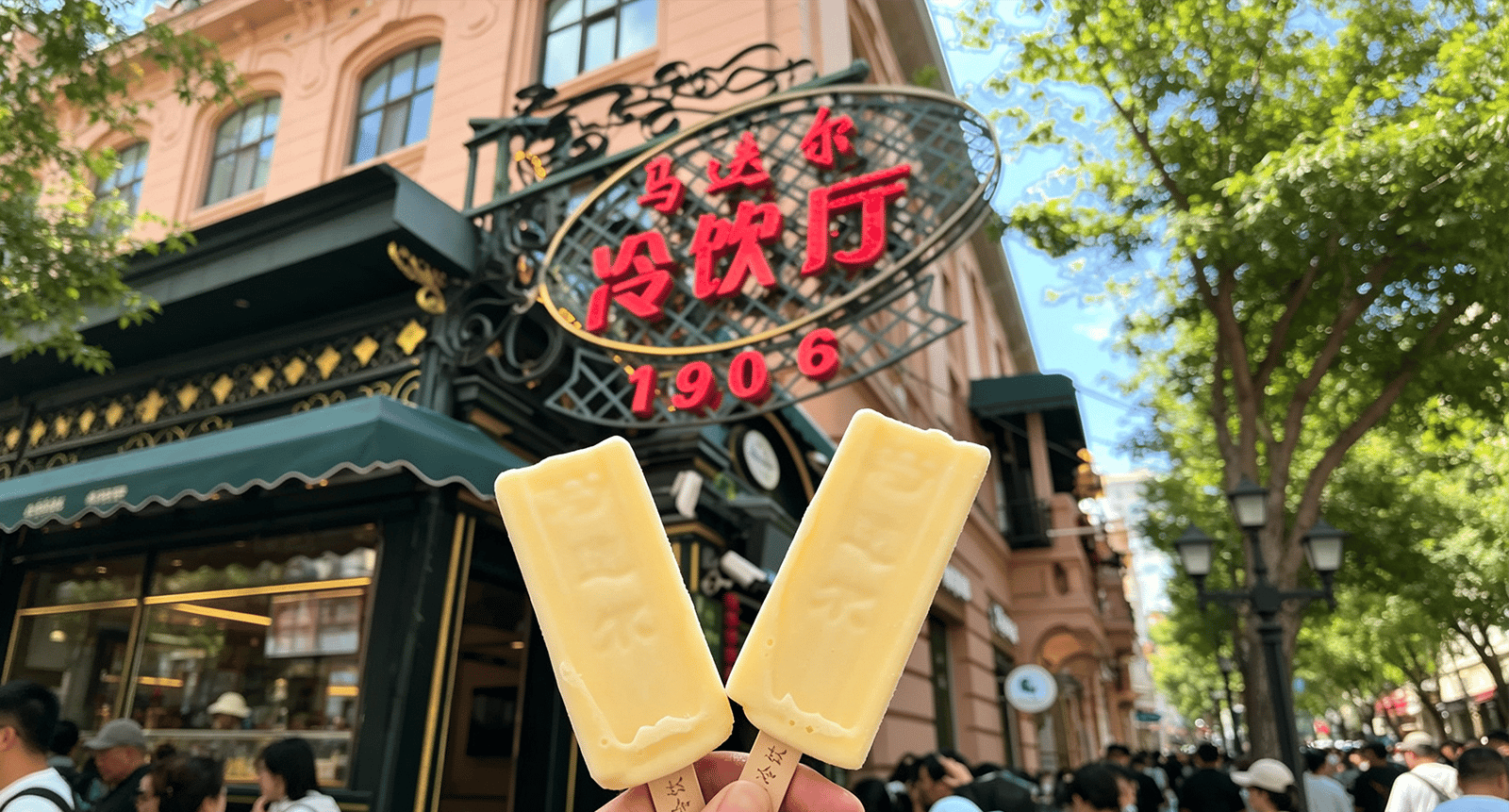
The century-old streets have nurtured a distinctive culinary culture, where Russian charm meets and blends with the local flavors of Northeast China. Madier ice pops, Russian-style Western cuisine, red sausage, and leba each have their own character. Eastern and Western flavors coexist, offering a taste of Harbin’s inclusive urban spirit.
A Century-Old Street Where Classic Architecture Meets Contemporary Trends
Classical architecture meets contemporary art and culture, continually infusing the old street with fresh vitality. Since 2008, balcony concerts have brought a diverse repertoire echoing through the historic streets, where classical charm meets contemporary creative culture.
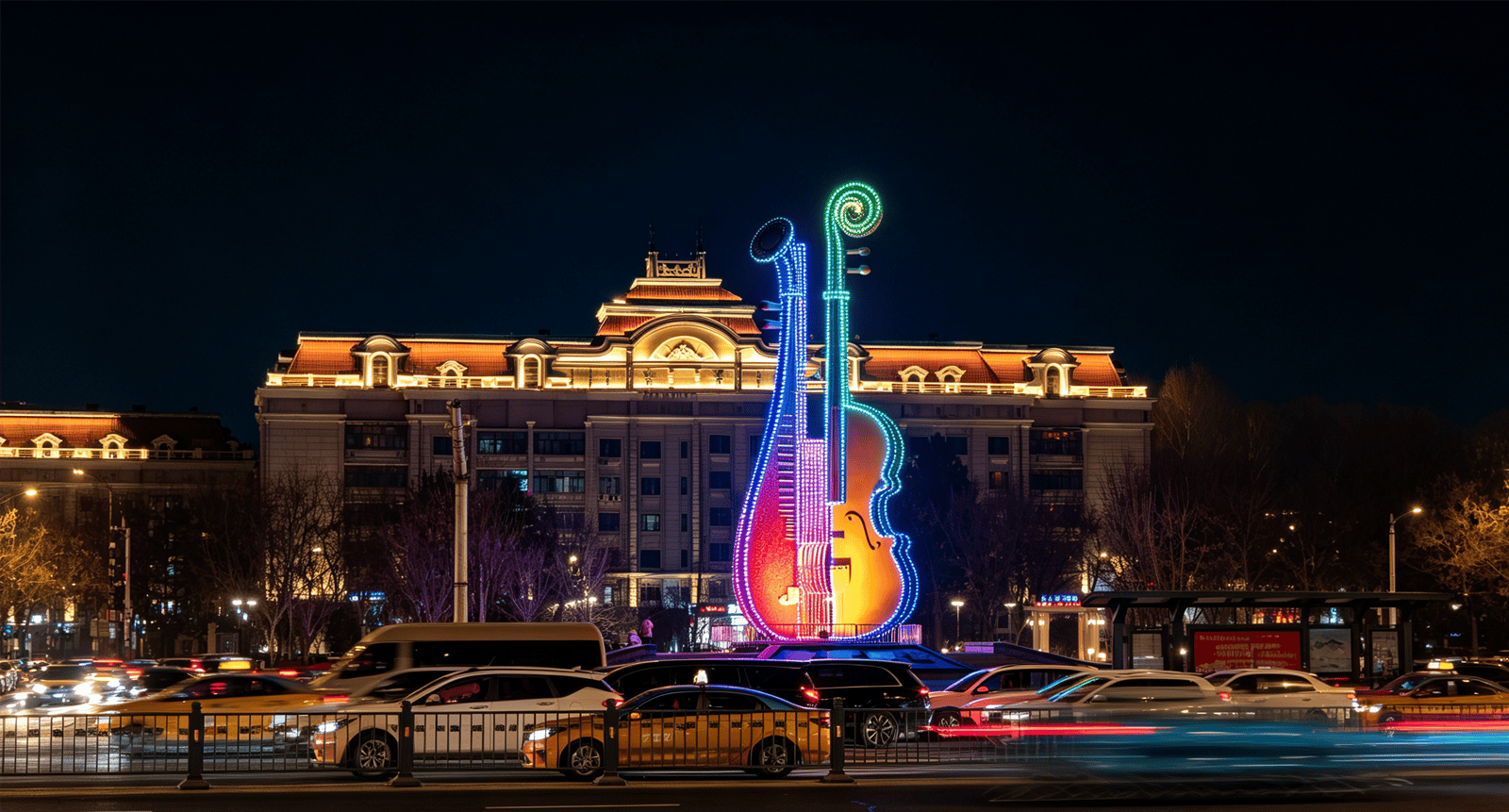
Discover Harbin’s Century-Long Splendor on Central Street
The district is home to more than thirty time-honored brands and intangible cultural heritage shops at the provincial and municipal levels. Distinctive traditions, including the craftsmanship of Madier ice pops and Qiulin kvass, have taken root here. Visitors can experience traditional techniques up close and immerse themselves in Harbin’s authentic ice-city culture.